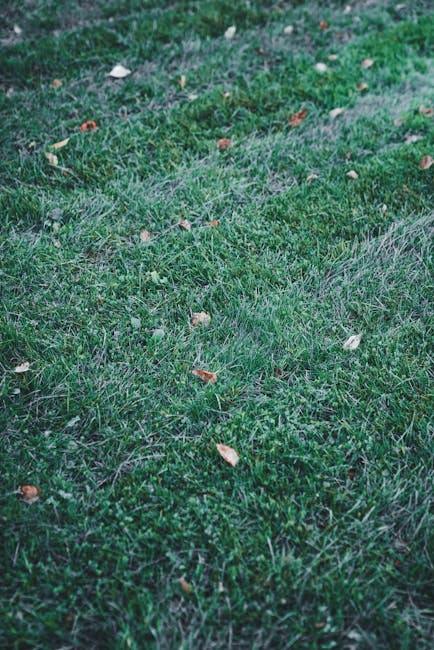
South London Lawn Rescue Before and After Real Job Outcome: What a Proper Lawn Recovery Really Looks Like
If your lawn in South London has gone thin, patchy, mossy, battered by shade, or just plain forgotten, you are not alone. The phrase South London lawn rescue before and after real job outcome sounds dramatic, but in real life it usually means something much simpler: a tired garden being brought back to life with the right plan, the right timing, and a bit of patience. This guide shows what a genuine lawn rescue involves, what results are realistic, and how to judge whether a lawn renovation is worth doing.
Truth be told, a lot of people wait too long. One day the grass is merely a bit scruffy, and the next it has become a patchwork of weeds, bare soil, compacted ground, and that unpleasant springy feel underfoot. The good news? Most lawns can improve a lot. Not always overnight, but enough to make a real difference to how the whole garden looks and works.
Below, you will find the practical signs, step-by-step process, before-and-after expectations, and the common mistakes that can ruin an otherwise solid recovery. If you want a broader sense of the company behind this kind of work, it can help to start with the about us page and, when you are ready, the contact us page for a proper conversation about your garden.
Table of Contents
- Why South London lawn rescue before and after real job outcome Matters
- How South London lawn rescue before and after real job outcome Works
- Key Benefits and Practical Advantages
- Who This Is For and When It Makes Sense
- Step-by-Step Guidance
- Expert Tips for Better Results
- Common Mistakes to Avoid
- Tools, Resources and Recommendations
- Law, Compliance, Standards, or Best Practice
- Options, Methods, or Comparison Table
- Case Study or Real-World Example
- Practical Checklist
- Conclusion
- Frequently Asked Questions
Why South London lawn rescue before and after real job outcome Matters
A lawn rescue matters because the lawn is often the biggest visual surface in a garden. If it looks rough, the whole space feels unfinished. If it looks healthy, even a modest garden suddenly feels cared for, brighter, and more usable. That is especially true in South London, where many gardens deal with a mix of shade from fences and trees, older soil that has become compacted, and everyday wear from children, pets, and constant foot traffic.
What people want from a real job outcome is not just "green grass." They want to know whether the lawn will recover in a way that lasts. Will the bare patches fill in? Will moss return? Can a lawn that looks tired in March still look respectable by summer? Those are the right questions. A proper rescue is not cosmetic fluff. It is a practical intervention that addresses what is actually going wrong.
Before-and-after content is useful because it sets realistic expectations. A genuinely rescued lawn usually shows more than one improvement: better colour, thicker coverage, fewer weeds, less moss, improved drainage, and a cleaner edge. You may not get a football-pitch finish straight away. Fair enough. But you should see a clear shift from neglected to noticeably healthier.
There is another reason this matters: timing. A damaged lawn left alone usually gets worse through another season. Bare patches widen. Moss takes over. Compaction worsens. And then people think the lawn is beyond saving when, honestly, it was just overdue for intervention. A good rescue saves time, frustration, and often money in the longer run.
Expert summary: A South London lawn rescue is worth doing when the lawn still has living grass, recoverable structure, and a sensible chance of improving with scarifying, aeration, feeding, overseeding, and aftercare. If the base is poor, the right fix may be a more complete renovation.
How South London lawn rescue before and after real job outcome Works
A real lawn rescue is a sequence of corrective steps, not one magic treatment. The exact method depends on the condition of the grass, the soil, and the season. In many South London gardens, the process starts with a close look at the lawn surface and the underlying problems. Is the main issue moss? Has the lawn become spongy with thatch? Are there drainage problems, shade issues, or compacted soil? The answer changes the approach.
In practice, a rescue often includes some combination of mowing, scarifying, aeration, topdressing, overseeding, feeding, weed reduction, and follow-up watering. Scarifying removes dead material and moss. Aeration helps air, water, and nutrients reach the root zone. Overseeding introduces fresh grass seed into weak areas. Topdressing levels minor imperfections and improves the growing surface. It sounds like a lot, because it is a lot. But that is exactly why the results can be so different from an ordinary tidy-up.
The before-and-after outcome depends heavily on the starting point. A lawn that is tired but still healthy underneath can respond very quickly. A lawn that has been smothered by moss, patchy soil, and years of neglect needs more time. Sometimes the first visible change is not in the thickness of the grass but in the neatness of the surface and the reduction of debris. Then the green starts returning, followed by density. Little by little. That part matters.
One small but important point: a good lawn rescue is not just about making the grass greener for one week. If someone skips aftercare, the result can fade fast. You would be surprised how often that happens. The rescue is the start, not the ending.
Key Benefits and Practical Advantages
The strongest benefit is obvious: the lawn looks better. But real value goes beyond appearance. A rescued lawn is usually easier to use, easier to maintain, and less frustrating to live with. In a busy garden, that can be a big deal.
- Better kerb appeal: The front or back garden instantly feels more cared for.
- More usable space: A healthier lawn is more comfortable for children, pets, and everyday lounging.
- Reduced weed pressure: Thick grass naturally leaves fewer gaps for weeds to settle.
- Improved resilience: Well-aerated, well-fed turf tends to cope better with dry spells and wear.
- Cleaner drainage: Aeration and soil improvement can reduce surface puddling in problem areas.
- More satisfying maintenance: Once the lawn responds, routine mowing and care start to feel worth it again.
There is also a mental benefit that people do not always mention. A messy lawn can nag at you every time you look at the garden. Once it is rescued, the space feels calmer. Not perfect, maybe, but calm. And in a city garden, that matters more than it sounds like it should.
For homeowners comparing service quality and pricing, the most useful next step is often to review pricing and quotes. It helps you understand how lawn rescue work may be assessed rather than guessing from a generic package.
Who This Is For and When It Makes Sense
This kind of lawn recovery is for people whose grass is still salvageable but clearly not thriving. If you can see living grass among the problems, there is usually a strong case for rescue rather than full replacement. That includes lawns with patchiness, moss, shallow roots, compaction, uneven colour, and areas worn down by shade or regular use.
It also makes sense if you have moved into a property and inherited the lawn as it is. That is a common South London scenario, especially in older terraces and family homes where the garden has had years of mixed treatment. Sometimes the previous owner kept cutting it, but not much else. The result is a lawn that looks maintained at a glance, yet feels tired once you get close.
When does it make less sense? If the lawn is mostly bare soil, badly contaminated with weeds, or suffering from a deeper structural issue like major drainage failure or severe shade with no realistic turf choice. In those cases, a rescue may still help, but expectations need to be honest. A lawn that is 80 percent weeds is not a quick fix. Let's face it, there is only so much magic in a bag of seed.
You should also think about season and weather. Lawn recovery tends to be more effective during suitable growing conditions, when soil moisture and temperatures support germination and root growth. A good contractor will say when to wait rather than rushing you into a weak result.
Step-by-Step Guidance
If you want to understand what a proper lawn rescue actually looks like, the process below gives a realistic picture. It is not always identical, but it is a solid framework.
- Assessment and problem spotting
The lawn is checked for moss, thatch, compaction, bare patches, weed pressure, drainage issues, and shade. The point is to identify the main cause, not just the symptoms.
- Initial cut and tidy-up
The grass is usually cut to a sensible working height. Edges may be tidied so the repair work is easier to carry out and easier to evaluate.
- Scarifying
This removes dead grass, moss, and thick organic material from the surface layer. It can look a bit brutal on the day. That is normal. A lawn rescue often looks worse before it looks better.
- Aeration
Holes are made in the soil to relieve compaction and improve air and water movement. In heavy footfall areas, this step can make a real difference.
- Overseeding
Fresh seed is spread into thin and bare areas. Good seed-to-soil contact matters here, otherwise the seed just sits there looking hopeful and doing nothing much.
- Topdressing or soil improvement
A thin dressing may be applied to smooth the surface, support germination, and improve the root environment. It also helps with small uneven areas.
- Feeding and watering
A suitable feed supports recovery, while careful watering helps seed establish. The aim is steady growth, not a sudden overfed rush.
- Aftercare and follow-up
This is where many results are won or lost. Regular watering, careful mowing, and avoiding heavy use help the new grass establish properly.
The strongest outcomes usually come from combining the above in the right order, then leaving enough time for growth. A single weekend job can improve the surface dramatically, but the full transformation often takes several weeks. Sometimes longer. Patience is not glamorous, yet it pays.
Expert Tips for Better Results
In our experience, the best lawn recoveries have a few things in common. None are complicated, but they are easy to skip when someone is eager for quick results.
- Match the treatment to the problem. Moss control is not the same as drainage repair, and shade stress is not the same as compaction.
- Do not over-cut the lawn. Cutting too short weakens recovery and exposes soil.
- Seed into real contact with the soil. Seed sitting on top of thatch rarely performs well.
- Water consistently, not wildly. A little and often approach is usually better than flooding the area once and hoping for the best.
- Plan for shade. If the lawn is under trees or against a north-facing boundary, the long-term solution may need a shade-tolerant mix or lighter expectations.
- Allow recovery time. A lawn looks better once it has had time to knit in. The speed of change can be a bit deceiving.
A useful rule of thumb: if a job is described as a rescue, ask what the aftercare looks like. The day-one work matters, but the follow-through matters just as much. That is the bit people forget when they are excited by the before-and-after photos.
For trust and safety expectations around outdoor work, it is sensible to check a company's health and safety policy and insurance and safety information. It is not glamorous reading, granted, but it tells you a lot about how seriously a contractor works.
Common Mistakes to Avoid
Most disappointing lawn outcomes come from avoidable mistakes. The frustrating thing is that they are usually small errors that snowball.
- Expecting instant perfection: A rescued lawn often needs weeks, not hours, to show the full effect.
- Ignoring the root cause: If the soil is compacted, simply reseeding the surface rarely solves the problem.
- Cutting the lawn too soon after overseeding: New grass needs time to establish before it is stressed.
- Overwatering or underwatering: Both can set back germination and encourage uneven patches.
- Using the lawn too heavily during recovery: A few boots, a dog, a garden chair dragged across the surface... all of it adds up.
- Choosing the wrong seed mix for shade or wear: One mix does not suit every garden.
There is a more subtle mistake too: judging the outcome too early. A lawn can look a bit ragged in week one after scarifying, then suddenly improve by week three. That in-between stage is awkward, and yes, slightly ugly. But it is often part of the process.
Tools, Resources and Recommendations
For homeowners wanting to understand what goes into a lawn rescue, it helps to know the main tools and materials involved. This is not about buying everything yourself, but about knowing what a serious job may require.
| Item | Typical Use | Why It Matters |
|---|---|---|
| Scarifier | Removes moss and thatch | Clears the surface so the lawn can breathe |
| Aerator | Relieves compaction | Improves root-zone access to air and moisture |
| Grass seed | Repairs thinning and bare patches | Brings density back into weak areas |
| Topdressing | Improves the surface and supports recovery | Helps level and feed the growing layer |
| Spring/summer feed | Supports active growth | Encourages stronger colour and recovery |
| Watering equipment | Keeps newly seeded areas moist | Critical during establishment |
Some homes also benefit from better garden waste handling after a rescue. If the work creates moss, clippings, and dead material, it is worth thinking about disposal and reuse. The recycling and sustainability page is useful if you want to understand how responsible green waste handling fits into garden maintenance.
If you are still comparing options, the main decision is simple: do you need a light renovation, a full recovery, or a more substantial lawn rebuild? That question saves people a lot of disappointment.
Law, Compliance, Standards, or Best Practice
For lawn rescue work itself, there usually is not a highly formal legal process that homeowners need to manage. Still, good practice matters. A reputable provider should work safely, handle materials responsibly, and be clear about what the job includes and what it does not.
In the UK, homeowners should also expect fair treatment around quotations, payment, and service terms. Before confirming work, it helps to read the company's terms and conditions and payment and security information so there are no awkward surprises later. Nobody enjoys those.
If the work is carried out on site, reasonable safety precautions are part of standard professionalism. That includes protecting people, equipment, and surrounding surfaces, especially on tighter South London plots where access can be narrow and a bit fiddly. It is also sensible for clients to know how complaints are handled if something goes wrong. The complaints procedure page is useful for understanding how a company approaches issues in a structured way.
Accessibility and transparency also matter. For some visitors, especially those using assistive technology, clear site information is part of a trustworthy service experience. You can review the accessibility statement if that is relevant to you. It is a small detail, but small details are often where quality shows up.
Options, Methods, or Comparison Table
Not every lawn needs the same level of intervention. Comparing the options side by side makes the decision easier and, frankly, less stressful.
| Approach | Best For | Typical Outcome | Limitations |
|---|---|---|---|
| Basic tidy-up | Lightly tired lawns | Cleaner look, minor improvement | Will not fix compaction or deep moss |
| Targeted rescue | Patchy, mossy, thinning lawns | Noticeable recovery and denser growth | Needs careful aftercare |
| Full renovation | Severely damaged but recoverable lawns | Major transformation over time | More cost, more disruption, more waiting |
| Partial rebuild | Lawns with poor areas and some salvageable turf | Balanced improvement without starting from zero | Results vary by section |
A simple way to think about it is this: if the lawn still has a backbone, rescue it. If it has lost too much structure, renovate it. That distinction can save a lot of back-and-forth.
Case Study or Real-World Example
Here is a realistic example of the kind of before-and-after outcome people usually mean when they search for a lawn rescue. Imagine a small South London back garden with a lawn that has gone thin after a wet winter and a dry spring. The surface is uneven in places. Moss has worked into the shaded edge near the fence. There are several bare spots where foot traffic cuts across the grass to the patio. Nothing dramatic, but enough to make the garden feel unfinished.
Before the work, the lawn reads as dull and tired from across the garden. Up close, you can see the problem mix: compacted soil, dead material sitting in the crown, and weak regrowth. The first stage is a heavy tidy-up and scarify. That stage often looks worse for a day or two. A bit naked, almost. Then aeration opens the ground. Seed goes into the thin sections, a light dressing evens the surface, and a suitable feed helps the growth response.
Within a few weeks, the thin areas begin to knit together. The colour evens out. The lawn still has some imperfections, because this is real life, not a showroom, but the difference is obvious. The garden feels better when you step outside at breakfast, and by early evening it looks like somewhere you want to sit with a cup of tea. That is the real value of a before-and-after outcome: not perfection, but a genuine shift in how the space works.
If the home owner also wants a broader understanding of the company's approach to customer care and trust, the about us and contact us pages are the most sensible next stops.
Practical Checklist
Use this checklist before, during, or after a lawn rescue job. It keeps expectations grounded and helps the result last.
- Check whether the lawn has living grass left to recover.
- Identify the main issue: moss, compaction, shade, weeds, or wear.
- Decide whether a rescue or full renovation is more suitable.
- Ask what aftercare is needed for the first few weeks.
- Keep pets and heavy foot traffic off newly treated areas where possible.
- Water consistently if fresh seed has been applied.
- Avoid mowing too low after recovery work.
- Watch for thin areas that may need a second overseed later.
- Make sure edges, drainage, and nearby planting are not contributing to the problem.
- Review service terms, payment details, and safety information before work begins.
Practical takeaway: the best before-and-after lawn results come from matching the method to the lawn's actual condition, then protecting the recovery phase rather than rushing it.
Conclusion
A South London lawn rescue is not about chasing a magazine-perfect lawn with a magic wand. It is about taking a tired, patchy, or moss-ridden space and giving it a proper chance to recover. The best real job outcomes are noticeable but believable: greener colour, thicker growth, fewer bare patches, and a garden that feels usable again.
If you are deciding whether your lawn is worth saving, look closely at what is still alive underneath. In many cases, there is more potential than it first appears. The key is sensible treatment, honest expectations, and a bit of patience while the grass gets on with the work.
Get a free quote today and see how much you can save.
Frequently Asked Questions
What does a South London lawn rescue usually include?
It usually includes a mix of scarifying, aeration, overseeding, feeding, and sometimes topdressing. The exact combination depends on the lawn's condition. A good rescue is tailored, not one-size-fits-all.
How long does it take to see before-and-after results?
Some improvements can be seen quickly, especially after scarifying and tidying. But the fuller recovery from reseeding and feeding usually takes several weeks. In some cases, longer if the weather is not helping.
Can a very patchy lawn still be rescued?
Often, yes. If there is enough living grass and the soil can support recovery, a patchy lawn can improve a lot. If most of the surface is gone, though, a fuller renovation may be more realistic.
Is lawn rescue better than replacing the lawn entirely?
That depends on the starting point. Rescue is often cheaper and less disruptive when the lawn is still salvageable. Replacement makes more sense if the existing turf is too far gone or the base is poor.
What causes lawns in South London to go downhill so often?
Common causes include shade, compacted soil, foot traffic, moss, seasonal stress, and inconsistent maintenance. Older gardens can also have drainage or soil structure issues that make grass struggle year after year.
Will scarifying make my lawn look worse at first?
Yes, often it will. That is completely normal. Scarifying strips out moss and dead material, so the lawn can look thin or rough for a short time before the recovery growth starts.
How do I know if my lawn needs aeration?
If water pools on the surface, the ground feels hard underfoot, or the grass seems weak despite regular care, compaction may be part of the problem. Aeration is often useful in those situations.
Can shade-tolerant seed help with a difficult garden?
It can help, yes, but it is not a cure-all. Shade-tolerant seed performs better than standard seed in low-light areas, though very dense shade may still limit the lawn's long-term success.
Do I need to stop using the lawn after rescue work?
For a while, yes, especially if fresh seed has been applied. Heavy use too early can damage new growth and undo a lot of the progress. A little patience here pays off.
How can I tell whether a before-and-after photo is realistic?
Look for signs of genuine recovery rather than over-edited colour. Real results usually show improved density, healthier edges, and a more even surface, not a perfect carpet overnight.
What should I ask before booking a lawn rescue?
Ask what the main lawn problem is, what method will be used, how long recovery should take, and what aftercare is needed. It is also sensible to ask about pricing, payment, and any safety or service terms.
Is lawn rescue worth it for a small garden?
Usually, yes. Small gardens are often seen more closely, so even a modest improvement can transform the whole space. In a compact South London garden, the difference can be surprisingly dramatic.