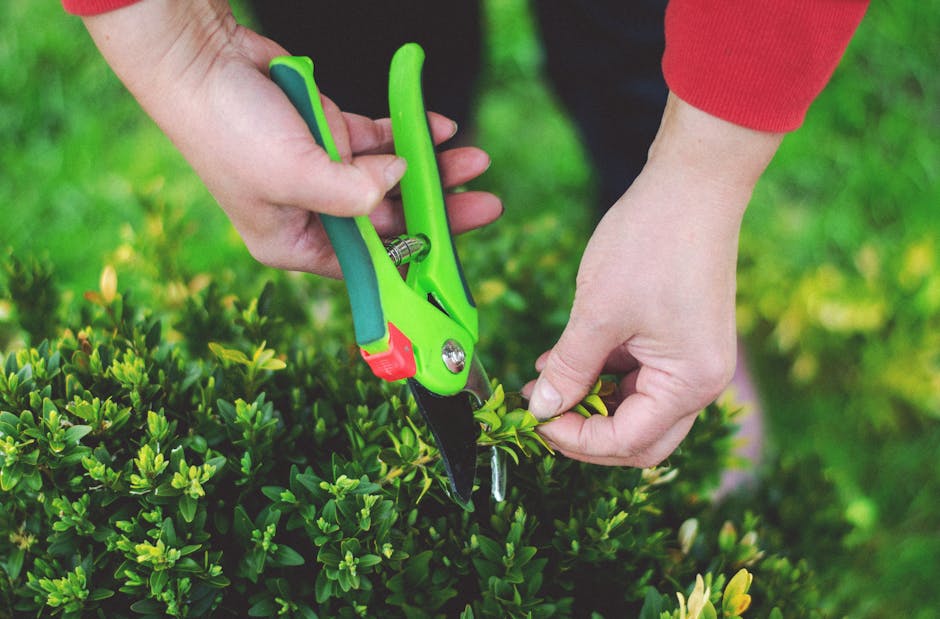
Beginner guide to hiring a gardener for UK home maintenance
If you've been staring at an overgrown lawn, patchy borders, or a hedge that's starting to look a bit too enthusiastic, you're not alone. Hiring help can feel surprisingly confusing at first. This beginner guide to hiring a gardener for UK home maintenance breaks the process down into plain English so you can choose the right person, ask sensible questions, and avoid paying for the wrong kind of work.
In the UK, garden care is often less about a one-off tidy-up and more about keeping outdoor space manageable through the seasons. That might mean regular mowing, hedge trimming, border care, clearance, or just a reliable pair of hands who knows what to do before the rain turns everything into a soggy mess. The good news? Once you know what to look for, the whole thing becomes much simpler.
Below, you'll find a practical guide covering what gardeners actually do, how to compare options, what good service looks like, where people go wrong, and how to make a hire feel less like a gamble. Simple enough. Useful enough too.
Why Beginner guide to hiring a gardener for UK home maintenance Matters
Gardens don't usually become difficult all at once. It's more gradual than that. A few missed cuts. A wet spring. One hedge that grows faster than you remember. Then suddenly the job that felt small is swallowing your Saturday and leaving you muddy, tired, and mildly annoyed. Hiring a gardener matters because home maintenance is easier when the outside of the property is looked after consistently, not just when it becomes an emergency.
There's also a practical side. A well-kept garden can make everyday life better: fewer slips on mossy paths, less trip hazard from uneven growth, easier bin access, and a space you actually want to use. For landlords, family homes, and anyone planning to sell or rent out a property, tidy outdoor space also helps the place feel cared for. Not glamorous, but true.
Another reason this topic matters is that "gardener" can mean a lot of different things. Some people mainly mow lawns and clear leaves. Others do planting, pruning, soft landscaping, or seasonal maintenance. If you don't define the job properly, you may hire someone who is perfectly good at one task and not the right fit for another. That's where a little preparation saves a lot of awkward conversation later.
Expert summary: The best gardener for home maintenance is not always the cheapest or the busiest. It's the one whose skills, schedule, equipment, and approach match your garden's real needs.
How Beginner guide to hiring a gardener for UK home maintenance Works
Hiring a gardener is usually straightforward once you understand the sequence. First, you define the work. Then you decide how often it needs doing. After that, you compare candidates, check what they include, and agree on the practical details before the first visit. That's the clean version. In real life, a bit of back and forth is normal.
Most gardeners in the UK work in one of three ways. Some offer regular maintenance on a weekly, fortnightly, or monthly basis. Others prefer one-off jobs such as clearing an overgrown space or getting a garden back under control after winter. And some focus on specialist work like hedge trimming, lawn care, fencing, or tree-related tasks. If you know which category you need, you're already ahead.
For routine home maintenance, a gardener may arrive with a mower, trimmer, secateurs, rakes, bins, and other basic kit. For more involved jobs, they may bring larger tools or work alongside another tradesperson. A decent provider should be clear about what they'll do, what they won't do, and what extra charges might apply if the job turns out to be bigger than expected. That clarity is worth its weight in tea.
If you are looking around a local service area, it can help to start with a general gardener or broader garden maintenance service before narrowing down to a specific task. For some households, that's more useful than hunting for a highly specialised option too early.
Key Benefits and Practical Advantages
Hiring a gardener for home maintenance is not just about saving time, though that alone is enough for many people. The real advantages are a mix of convenience, consistency, and avoiding the slow creep of garden neglect. Let's face it, most people don't want to spend their free time wrestling a hedge trimmer on a damp Sunday.
- Regular upkeep: Lawns, borders, hedges, and paths are easier to manage when someone is keeping on top of them.
- Better presentation: A tidy garden improves the look of your home from the street and from the back door.
- Healthier plants and grass: Consistent care can help reduce stress on lawn and planting areas, especially when pruning and mowing are done properly.
- Less guesswork: You don't have to figure out which task should be done first or what equipment is needed.
- Safer outdoor space: Clearing slippery moss, overgrowth, and blocked access routes can make a real difference.
- Seasonal readiness: A reliable gardener can help you move smoothly from winter cleanup to spring growth, then through summer maintenance and autumn leaf fall.
There's a subtler benefit too. A good gardener notices things before they become obvious problems. A patch of lawn drying out. A hedge that needs light shaping rather than a harsh cut. A corner where weeds keep returning because the soil conditions aren't ideal. That kind of observation is easy to miss if you only pop outside occasionally with a pair of shears and hope for the best.
For many homeowners, the aim is not a show garden. It's a manageable one. That's an important distinction. You're hiring help to make life easier, not signing up for a botanical masterpiece unless that's actually what you want.
Who This Is For and When It Makes Sense
This guide is useful if you're new to hiring garden help and want a straightforward way to make a sensible choice. It suits first-time homeowners, busy families, older residents who no longer want to do physically demanding work, landlords, and anyone who has let the outside space slide a bit longer than intended. Happens to the best of us.
It also makes sense if your garden has become seasonal rather than maintained. Perhaps it's fine in summer but a bit wild by March. Or the lawn stays passable, but the hedge, borders, and edges are always a battle. In those cases, hiring a gardener can turn a recurring headache into a manageable routine.
You may also need help if you've recently moved into a property and don't yet know what grows where, what the previous owner left behind, or what needs urgent attention. New gardens often come with hidden surprises. One month it's a patch of ivy. The next month it's a mystery shrub and a fence line you can barely see.
If your needs are broader than basic tidying, it may be worth exploring garden services or even a more comprehensive gardening services package. That can be more efficient than booking one-off work every few weeks without a plan.
Step-by-Step Guidance
1) Start by defining the actual job
Be specific. "General garden help" is too vague to quote well. Instead, list the tasks you want done: mowing, edging, weeding, hedge trimming, pruning, clearance, leaf collection, jet washing, or planting. If you have a patio that's gone green or a fence line that needs attention, mention that too.
A useful trick is to walk around the garden with a notebook or your phone and jot down what you notice. It sounds basic, but it stops you forgetting the awkward little jobs at the back that always get missed.
2) Decide whether you want regular or one-off help
Regular maintenance is usually best for lawns, hedges, and ongoing tidiness. One-off work is better if the garden is currently overgrown, you've just moved in, or you need a seasonal reset. The wrong choice here can make a quote look cheaper than it really is. If the garden keeps growing, the job keeps returning.
3) Look for relevant experience, not just a broad label
Some gardeners are excellent all-rounders. Others are strongest in specific areas. If your main issue is turf care, ask about lawn experience. If it's boundary control and privacy, ask about hedge work. If the garden has uneven ground or compacted soil, ask whether they can advise on landscaping or surface improvements. A company offering lawn mowing services or hedge trimming may be a better fit than someone who only advertises broad maintenance.
4) Ask what tools and materials they bring
Some gardeners bring everything they need. Others may expect the homeowner to provide certain tools, access, or disposal arrangements. Ask in advance so there are no surprises on the day. It's a small thing, but it helps the first visit run smoothly.
5) Check how they handle waste and clearance
Garden work creates debris. That part is unavoidable. Grass cuttings, branches, weeds, and leaf litter need dealing with properly. If the job is more than a tidy-up, ask whether removal is included or if there will be an extra charge. For larger jobs, a dedicated garden clearance service may be the cleanest option.
6) Compare more than just the price
A low quote may look great until you realise it excludes key tasks. A better comparison is scope, reliability, communication, insurance, and whether the schedule suits your home life. In practical terms, the cheapest option is not always the cheapest by the end of the month. Funny how that works.
7) Agree on timing, access, and expectations
Before work starts, confirm when they'll arrive, how they'll access the garden, where they can park if needed, and what should happen if the weather is poor. British weather does enjoy moving the goalposts. Setting expectations early avoids drama later.
8) Review the first visit carefully
After the first appointment, look at the finish, not just the time spent. Was the work tidy? Were edges clean? Did they follow the brief? Did they leave the site neat? A good first visit often tells you almost everything you need to know about whether to keep going.
Expert Tips for Better Results
There are a few things experienced homeowners tend to do that make hiring a gardener much easier. None of them are complicated, but they can improve the result quite a lot.
- Be honest about the condition of the garden. If a border hasn't been touched in months, say so. A realistic brief gets a realistic quote.
- Use photos before the first visit. A couple of clear pictures can save time and make estimates more accurate.
- Bundle tasks where sensible. Mowing, weeding, and hedge trimming often work well together if they're part of the same maintenance cycle.
- Ask what happens in wet weather. Some work can still be done; some can't. Better to know the rule than guess.
- Keep a simple maintenance rhythm. If you let everything build up for months, the work gets heavier and more expensive to manage.
- Use the first appointment as a test. Don't commit to a long arrangement until you've seen how they work.
A small but useful point: if you want a better-looking garden without constantly redoing it, ask about the finish standard you should expect after each visit. That sounds obvious, but it isn't always discussed. A client might imagine "done" means every leaf removed and every edge crisp. The gardener may think it means the main jobs are complete. Same word, different picture. Worth clearing up.
If your property has more than basic maintenance needs, you might also look at services like landscape gardening or garden landscapers. Those are not the same as routine upkeep, but they can be useful if the space needs shaping as well as maintenance.
Common Mistakes to Avoid
Most hiring mistakes happen because the job wasn't defined clearly enough, or because the homeowner assumed too much. A bit of caution up front saves the awkward phone call later.
- Choosing only on price. Cheap can be fine. Cheap and vague is the problem.
- Not specifying the job. "Tidy the garden" means different things to different people.
- Forgetting about waste removal. Cuttings and clearance are often where extra cost or extra hassle appears.
- Ignoring access issues. Side gates, locked entrances, parking, and water access all matter.
- Expecting landscaping from a maintenance visit. Routine garden care is not the same as redesigning the space.
- Not checking insurance or safety practices. If the work is more involved, it's fair to ask how the company protects people and property.
- Leaving seasonal jobs too late. Once growth gets out of hand, the work becomes more physical and less predictable.
There's also the classic mistake of hiring once and then never reviewing the service. If the garden is improving, brilliant. If it's not, say so early. Most decent gardeners would rather adjust the approach than leave you quietly dissatisfied.
Tools, Resources and Recommendations
You do not need to be a garden expert to manage the hiring process well. A few simple tools and reference points are enough.
- A phone camera: Use it to photograph problem areas, awkward access, and the overall garden condition.
- A basic checklist: Write down the jobs you want done before you start calling around.
- A calendar: Seasonal timing matters more than many people think, especially for lawns and hedges.
- Measured estimates: If you know the rough size of the space, share it. Even approximate dimensions help.
- Before-and-after notes: Helpful if you want regular maintenance and need to track what changes over time.
For homeowners wanting a reliable upkeep plan, a service page such as garden maintenance or a local option like local gardener can be a sensible starting point. If the work is more task-led, pages for grass cutting, hedge trimming, or patio cleaning may be more relevant.
It can also help to ask about sustainability and disposal. Some gardeners recycle green waste where possible, and some use methods that reduce unnecessary waste. That doesn't have to be a big policy discussion; just a practical question about how they work. If you want that sort of approach, a page on recycling and sustainability may give you a sense of the business's values.
Law, Compliance, Standards, or Best Practice
Garden maintenance is usually a practical service, but there are still sensible standards to think about. In the UK, a professional gardener should work safely, communicate clearly, and avoid creating unnecessary risks on your property. That includes using appropriate equipment, handling garden waste responsibly, and taking care around paths, fences, and nearby structures.
If the job involves powered tools, heavier clearance, tree work, or slippery surfaces, it's reasonable to ask about insurance and safety arrangements. The details will vary by business, but the principle is simple: you want someone who understands the work and treats your home with care. A business's insurance and safety information should help you judge that.
Tree-related work deserves extra caution. Anything involving large branches, unstable growth, or work at height should not be treated like a standard garden tidy. If you need cutting, pruning, or removal of a significant tree or stump, a specialist such as a tree surgeon, tree cutting service, or stump grinder may be more appropriate than a general maintenance visit.
Best practice also means being clear about scope and payment. A reputable gardener should be able to explain what the service covers, how quotes are handled, and what happens if the job changes on arrival. That clarity protects both sides. Truth be told, that's where a lot of stress disappears before it has a chance to build.
For broader company information, you may also want to review pages like about us, pricing and quotes, and complaints procedure so you know how the business handles service expectations and follow-up.
Options, Methods, or Comparison Table
Different homes need different levels of support. The table below gives a simple comparison so you can decide what kind of help fits best.
| Option | Best for | Pros | Watch out for |
|---|---|---|---|
| Regular gardener | Ongoing upkeep, lawns, borders, hedges | Consistent results, fewer overgrowth problems, easier planning | Needs a clear schedule and a defined task list |
| One-off tidy-up | Overgrown gardens, move-in cleanup, seasonal resets | Fast improvement, useful for urgent jobs | Can be more expensive if the garden is badly neglected |
| Specialist service | Hedges, lawns, trees, fencing, clearance | More suitable for specific jobs, often better equipment and experience | May not cover general maintenance unless arranged separately |
| Full garden maintenance package | Homeowners wanting everything handled in one arrangement | Simple to manage, less admin, predictable routine | Check exactly what is included and what counts as extra |
There isn't a single best choice for everyone. A small terraced garden with a basic lawn may only need a regular visit and some seasonal weed control. A larger property with hedging, clearance issues, and patchy borders may need a combination of services. If your outdoor space includes fencing or timber features, related pages such as garden fencing or decking services may also be relevant.
Case Study or Real-World Example
Here's a realistic example based on the kind of situation many homeowners face. A couple moved into a semi-detached home in London after several months of planning and paperwork. The back garden looked fine from a distance, but close up it was a different story: the lawn was uneven, the hedge was creeping over the fence line, and the borders had become a mix of weeds, old stems, and forgotten bulbs. Nothing dramatic. Just enough to be annoying every time they looked out the kitchen window.
At first they thought they needed a full redesign. After a quick assessment, they realised the main issue was maintenance, not landscaping. They booked a first visit focused on clearance, mowing, hedge shaping, and a general reset. The gardener explained what could be done in one session and what would be better tackled later, which saved them from paying for unnecessary extras.
What changed most was not the size of the work. It was the rhythm. Once the garden had a manageable baseline, the homeowners shifted to smaller, regular visits instead of letting everything pile up. The space started to feel usable again. More important, they stopped dreading the back garden every time the weather turned mild and the weeds got ideas above their station.
That's the real lesson here: the right gardener does not just "do jobs." They help you turn a messy outdoor area into something you can keep on top of without endless effort.
Practical Checklist
Before you hire, run through this checklist. It keeps the process grounded and helps you compare gardeners fairly.
- Have I listed the exact tasks I want done?
- Do I know whether I need a one-off visit or regular maintenance?
- Have I taken photos of the garden and problem areas?
- Have I asked what tools, equipment, and waste removal are included?
- Have I checked whether the gardener has relevant experience for the job?
- Have I clarified access, parking, and timing?
- Have I asked about insurance and safe working practices if the job is more involved?
- Have I compared more than one quote or service option?
- Do I understand which work is maintenance and which work is specialist?
- Have I agreed what a successful first visit should look like?
One extra tip: write the answers down. It sounds almost too simple, but it stops everything drifting into vague promises and half-remembered conversations. And vague promises are where a lot of disappointment begins.
Conclusion
Hiring a gardener for home maintenance in the UK is not complicated once you know what to ask and what kind of help you actually need. Define the job clearly, choose the right service level, check the practical details, and start with a first visit that gives both sides a chance to see how well the arrangement works. That alone avoids most headaches.
The best results usually come from straightforward communication and a realistic brief. If you want reliable upkeep, look for someone who understands routine garden care, seasonal timing, waste handling, and the difference between a tidy-up and a bigger job. Small things matter here. A clean edge, a sensible schedule, a gardener who turns up when expected. It adds up.
If you're still weighing up your options, take the next step with a clear list of tasks and a realistic idea of the result you want. A little preparation now can save time, money, and stress later. And honestly, that's a pretty good trade.
Get a free quote today and see how much you can save.
Frequently Asked Questions
What does a gardener usually do for home maintenance?
A gardener typically handles regular tasks such as mowing, edging, weeding, hedge trimming, pruning, leaf clearance, and general tidying. Some also help with planting, light landscaping, and seasonal resets. The exact service depends on the gardener and the condition of your outdoor space.
How do I know whether I need a gardener or a landscaper?
If your garden mainly needs upkeep, a gardener is usually the right choice. If you want to reshape the space, install features, or make larger structural changes, a landscaper may be better. Some jobs sit in the middle, which is why it helps to describe the work clearly before asking for a quote.
How often should I book garden maintenance?
It depends on the size of the garden, how fast things grow, and how tidy you want it to stay. Many homeowners choose weekly, fortnightly, or monthly visits. If the garden grows quickly in spring and summer, more regular visits can be easier than catching up after a long gap.
Should I hire someone for a one-off tidy or ongoing care?
That depends on the state of the garden and your long-term goal. A one-off tidy works well for overgrown spaces or seasonal resets. Ongoing care is better if you want the garden to stay under control without repeated big jobs. In many cases, a one-off first visit followed by regular maintenance is the smoothest route.
What should I ask before hiring a gardener?
Ask what tasks are included, whether waste removal is covered, what tools they bring, how they handle weather delays, and whether they have relevant experience. If the job is more involved, asking about insurance and safety is sensible too. Clear answers usually tell you a lot about how the service will feel in practice.
Do I need to provide tools or equipment?
Not always. Many gardeners bring their own equipment, but it varies. Some jobs may need access to water, electricity, or a locked gate to be arranged beforehand. It is best to ask upfront so you are not left guessing on the day.
How much should I expect to pay for a gardener in the UK?
Pricing varies a lot depending on the size of the job, location, frequency, access, and whether waste removal is included. Rather than focus on a single number, compare what each quote covers. A slightly higher quote can be better value if it includes the tasks and cleanup you actually need.
Can a gardener remove waste and garden rubbish?
Often yes, but not always as standard. Some gardeners include waste removal, while others charge separately or expect you to arrange it. This is especially important for larger jobs such as overgrowth clearance, hedge cutting, or post-renovation cleanup.
What if my garden is badly overgrown?
That's common enough. A good gardener should still be able to assess the job and explain what can be done in one visit versus what needs to be tackled over time. Sometimes a garden clearance service is the best place to start, followed by regular upkeep once the space is back under control.
How do I compare gardeners fairly?
Compare the scope of work, not just the price. Look at what is included, how communication feels, whether they understand your garden's needs, and whether their service suits your schedule. A fair comparison gives you a clearer picture than a quick look at two numbers on a quote.
What signs show I've hired the right gardener?
You'll usually notice it in the details: they ask sensible questions, they explain what is and isn't included, they arrive prepared, and the finished work looks neat rather than rushed. The right gardener makes the garden easier to live with, not harder to manage.
Is it worth using a local gardener rather than a larger company?
It can be. A local gardener may offer easier communication and a more personal approach, while a larger company may have broader cover or more varied services. The best choice depends on the work itself. Some homeowners prefer a simple local arrangement, especially if they want ongoing maintenance rather than occasional large projects.